
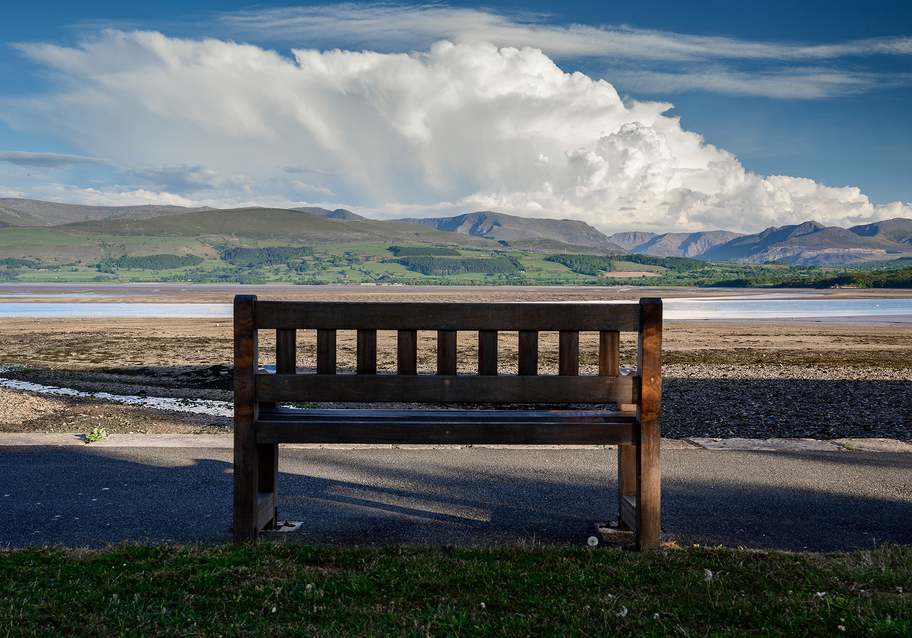
Why a seating spot is more than a bench
A bench on a map may look small, but on the move it can change the whole route. It is where you adjust plans, eat, rest your feet or wait for better light.
That is why Spot & Find looks beyond whether a bench exists. We care about context: view, calm, safety, shelter and whether the location fits naturally into a route.
What to check before choosing one
A strong seating spot usually has at least one of three qualities: a good view, practical placement or quiet surroundings. A bench at a busy crossing can be useful, but one at the edge of a park is often better for a real pause.
Also check the surroundings. Is there shade in summer, shelter from wind, drinking water nearby or a path that remains usable after rain? Details like these make a spot useful to more people.
How to add value for others
When you add a seating spot, do not only write where it is. Explain why someone should stop there: morning sun, water view, calm lunch stop, a place for children to rest or a practical bike-route pause.
That small note turns a bare map point into a real recommendation. This kind of original context helps the community make better choices.